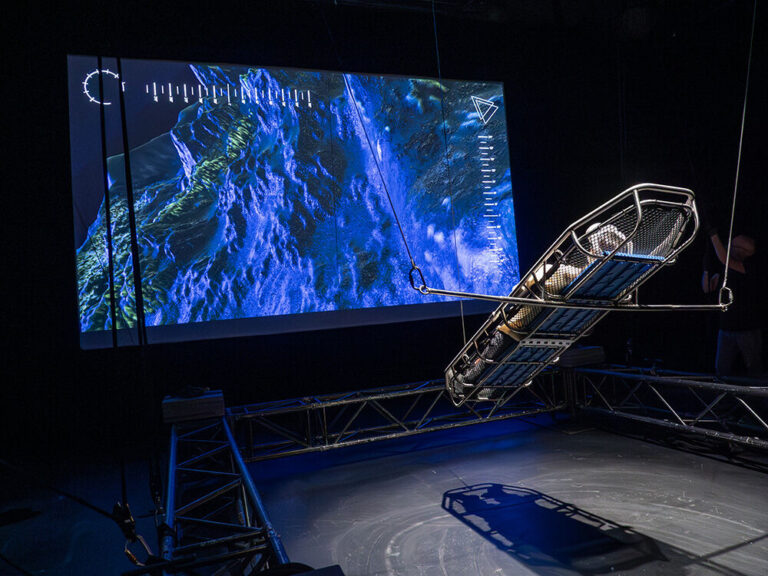
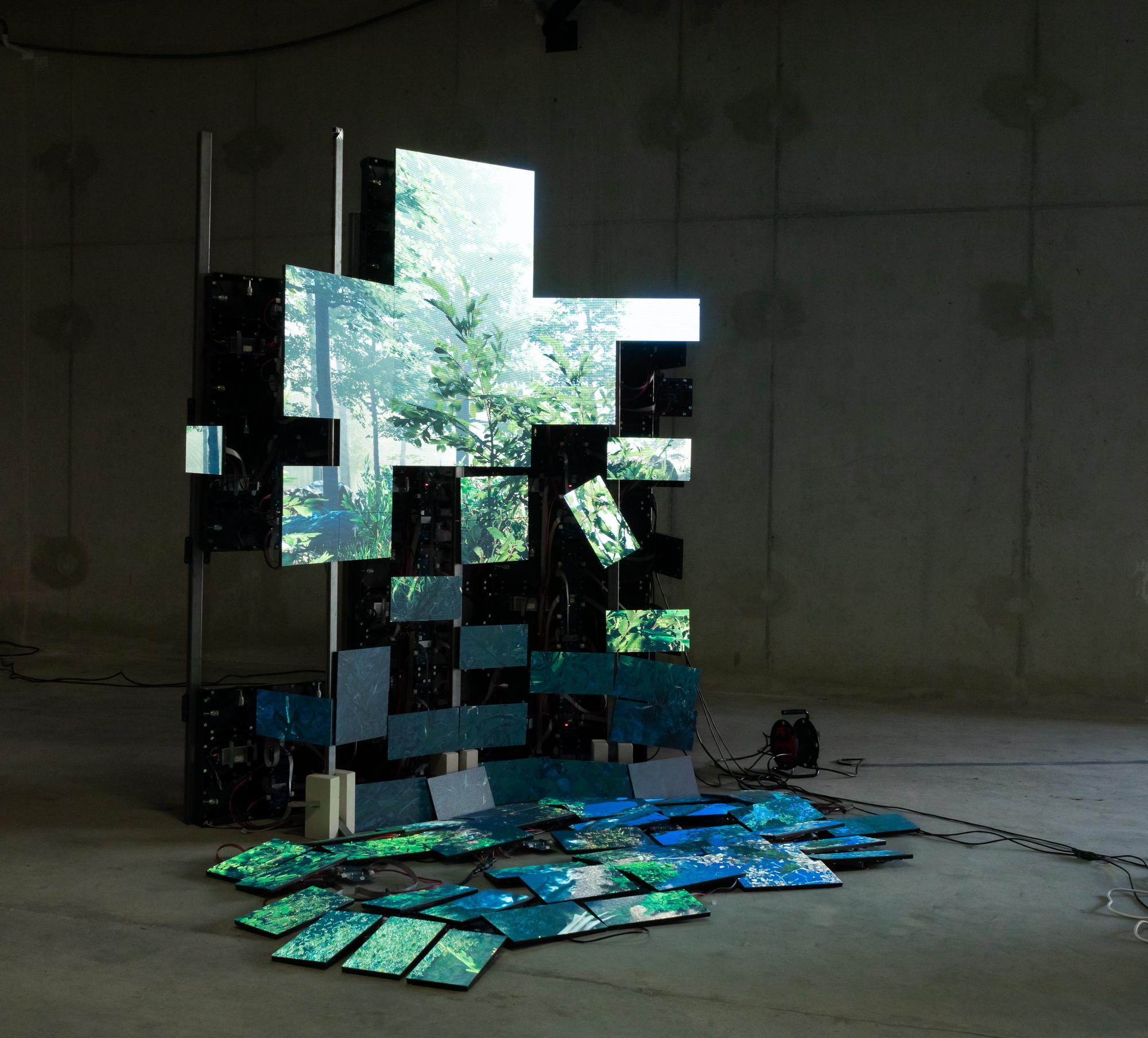

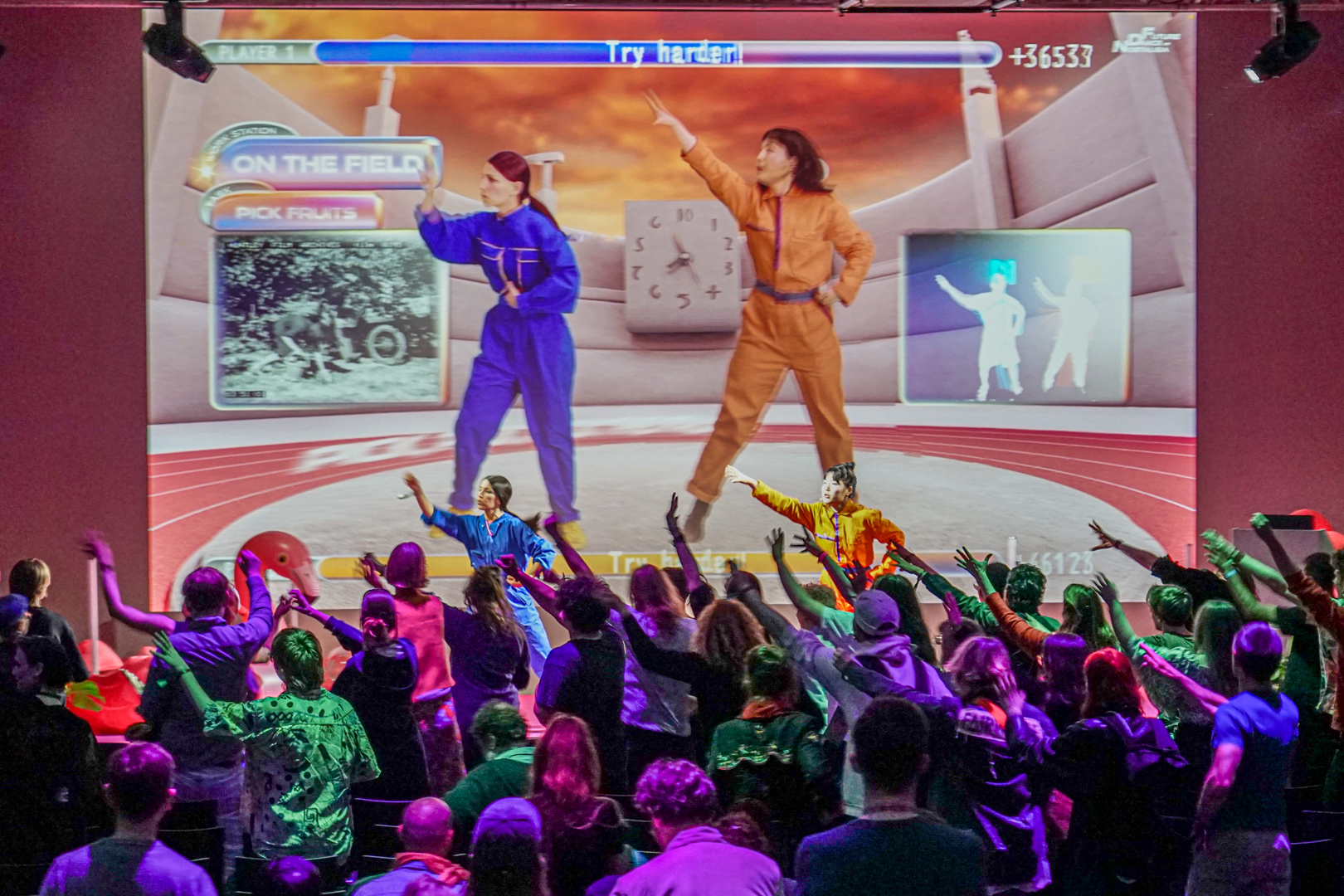
Interactive art and design existed before the computer age, but with the rise of electronics and microchips this discipline gathered an increasingly popular recognition. In the 60s, early tech companies started partnering with artists and art institutions to demonstrate the cultural potential of their products.
Since then, growth in the tech industry opened up other tools for the arts: sensors, programmable machines, videogames, light and sound devices, internet infrastructures. New tech brought about new configurations of making art and design, with consequences on the own experience of art — the audience is now not only a viewer but a participant, a player, an inter-actor.